Most automation projects stall at production scale
Most teams think automation is wiring a model behind a workflow tool and calling it done. In reality, production automation fails because the agents were never designed around how the actual work happens — the exceptions, the edge cases, the handoffs, the human checks. The system handles 80% of cases on the demo and then quietly creates more work than it removes the moment real volume arrives.
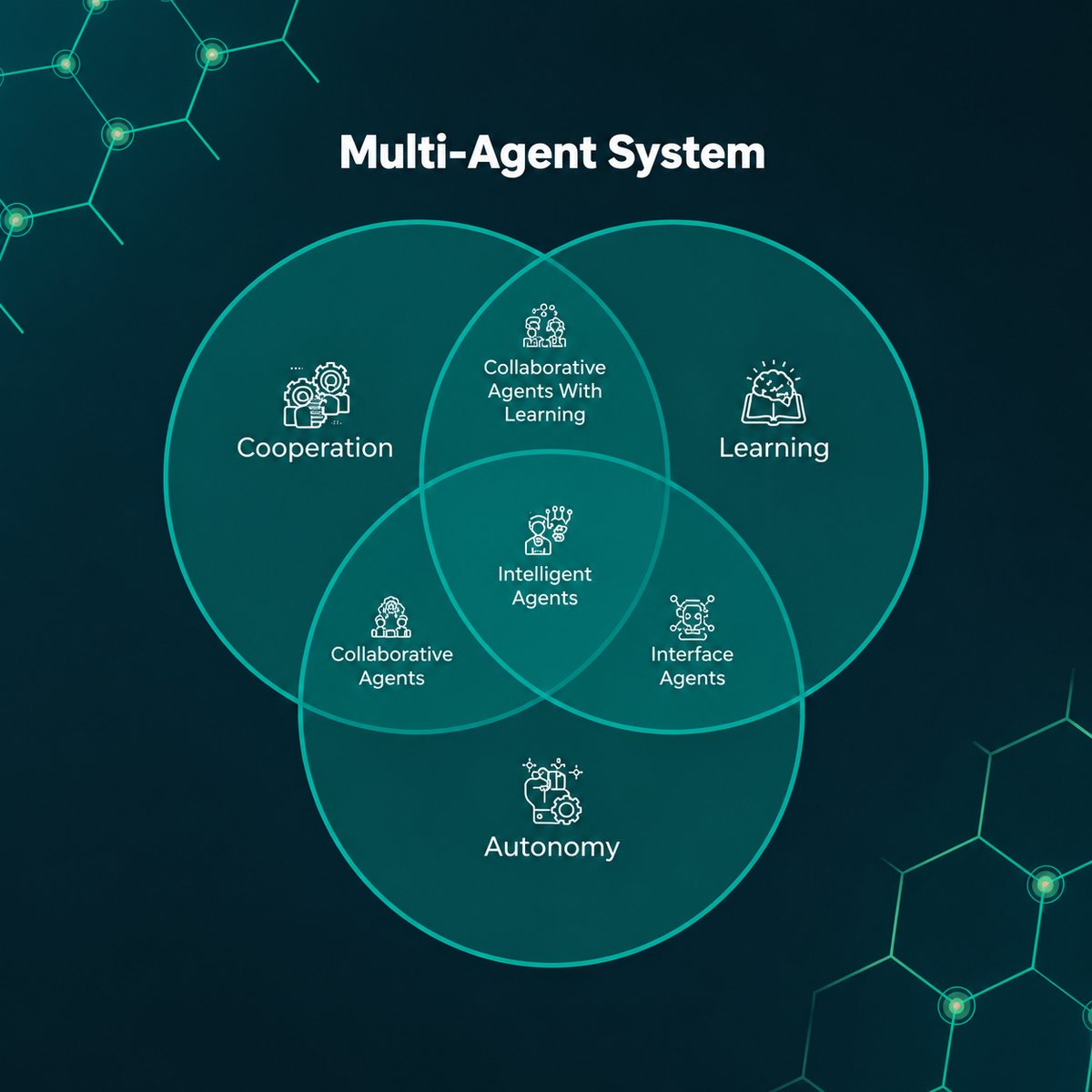
A multi-agent system only becomes valuable when each agent has a clear job, a defined set of tools, an evaluation harness, and a clean escalation path when its confidence drops. Document parsing, compliance checks, exception handling, financial reconciliation, status updates, and operational reporting all involve nuanced decisions that look simple until you try to automate them at scale. Without strong orchestration, audit logging, and human-in-the-loop checkpoints, the system erodes trust faster than it saves time.
Most automation builds stop at the happy path. Production systems require much more than that. They require workflow-aware orchestration, scoped tool access, per-decision eval gates, exception routing, escalation logic, audit trails, and continuous monitoring against real operational outcomes. The challenge is not running an agent. The challenge is running an agent the business can put behind real money, real customers, and real compliance requirements.